
Wildlife in Wells Gray Park
There are many opportunities for Wildlife Viewing in Wells Gray Park. Wells Gray Park is 5000km²of beautiful, pristine wilderness. To provide some perspective, Wells Gray Park is as large as, or in some cases larger, than one in every five nations on earth!
Due to its size, location, and its unique volcanic and glacial history, the park has a rich biodiversity that boasts 219 species of birds, 56 species of mammals and over 700 species of flowering plants, 275 bryophytes, 500 lichens and 200 microfungi! The list is growing each year!
The best way to see wildlife is to keep your eyes open as you drive into the scenic Wells Gray Park. Bears, deer, and small animals such as coyotes and foxes are often sighted alongside the road. Patience is key!
As you can see, Wells Gray Park is a truly amazing and unique area. Lets take a closer look at the most common wildlife you will see:
Mammals of Wells Gray
Wells Gray is home to an incredible variety of mammals — from powerful predators to quiet forest dwellers. Moose graze in wetlands, bears forage through berry patches, and elusive animals like wolves, cougars, and wolverines roam the park’s remote backcountry. Whether commonly seen or rarely glimpsed, each species plays an important role in the park’s ecosystems. Exploring Wells Gray with patience and awareness offers visitors a chance to witness this rich mammal community in its natural, wild habitat. Below are a few of the incredible species that we share the park with.

Moose
Moose are the largest mammals in Wells Gray, often seen grazing in wetlands and shallow lakes. Despite their size, they’re strong swimmers and can dive for aquatic plants. Dawn and dusk offer the best chances to spot them quietly feeding along marshy shorelines.
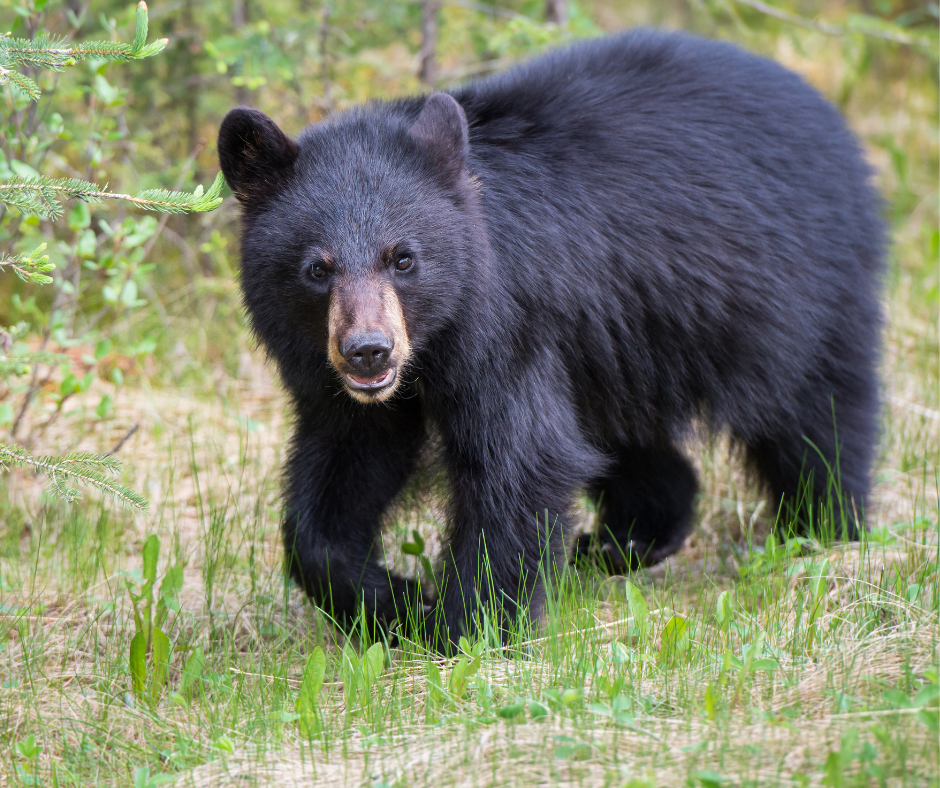
Black Bears
Black bears roam throughout the park’s forests and meadows, especially during berry season. Black Bears are not always black, they can be a reddish/brown colour – these are known as cinnamon bears. They’re curious but generally shy, and most sightings happen in early morning or evening as they forage for food.
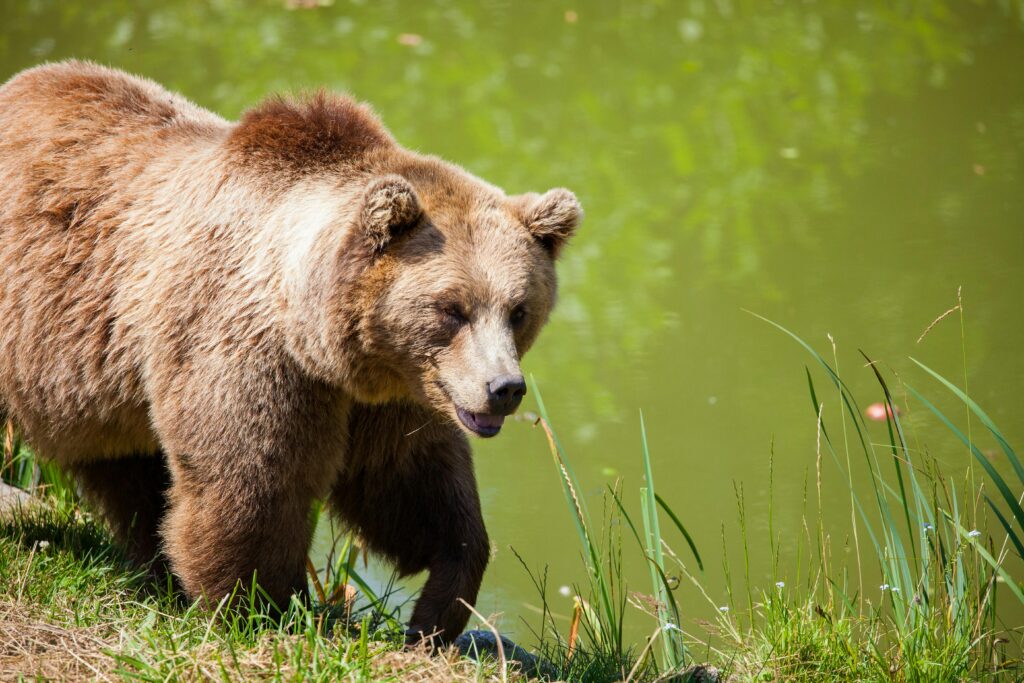
Grizzly Bear
Grizzlies are far less commonly seen in Wells Gray but occasionally wander through remote valleys. Larger and more muscular than black bears, they’re powerful diggers and skilled foragers. Visitors rarely encounter them, but their presence is a reminder of the park’s wildness.
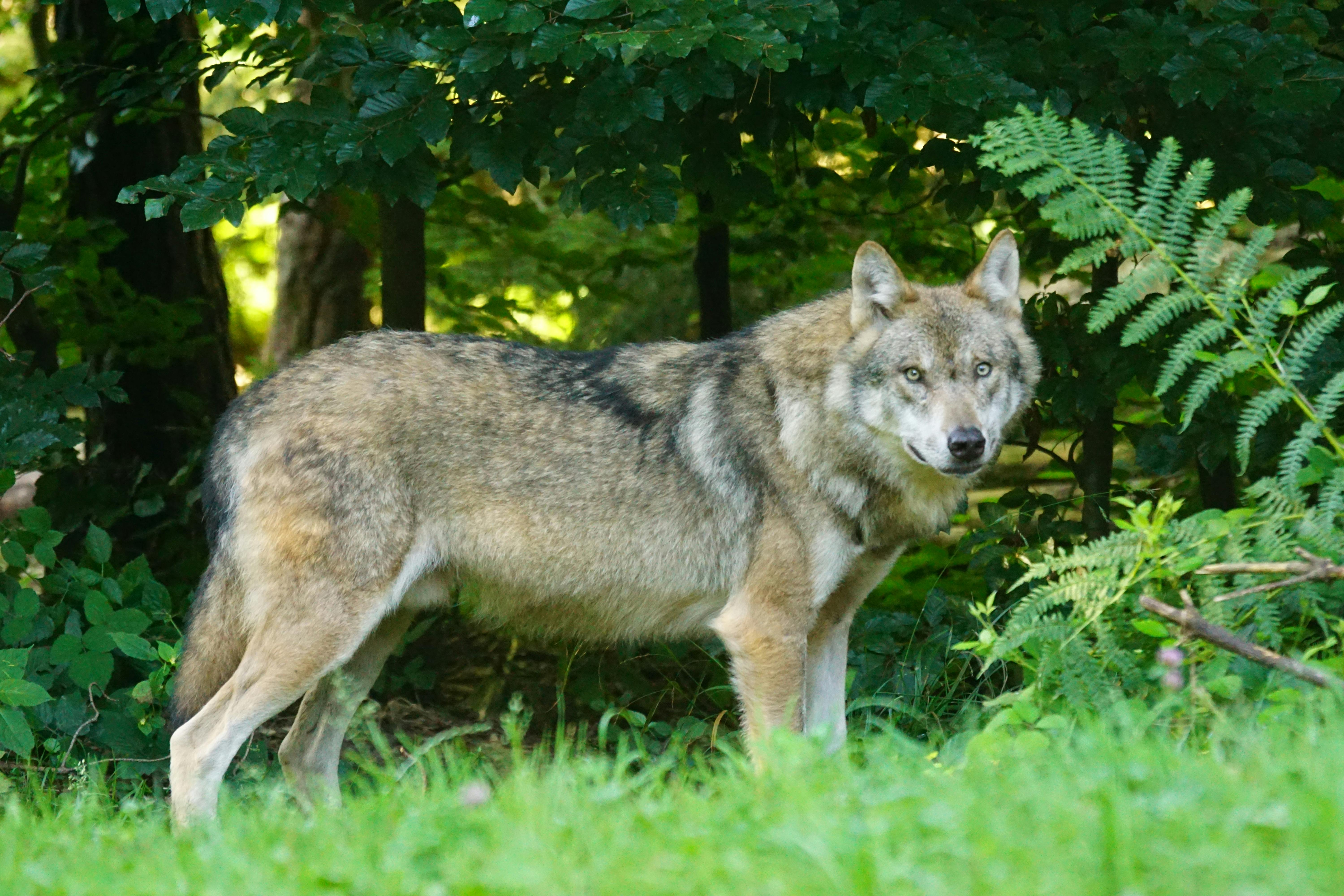
Wolves
Wolves are elusive and highly intelligent, travelling in family groups across large territories. Sightings are rare, but their distant howls sometimes echo through the park at night. They play a vital role in maintaining healthy ecosystems by keeping prey populations balanced.
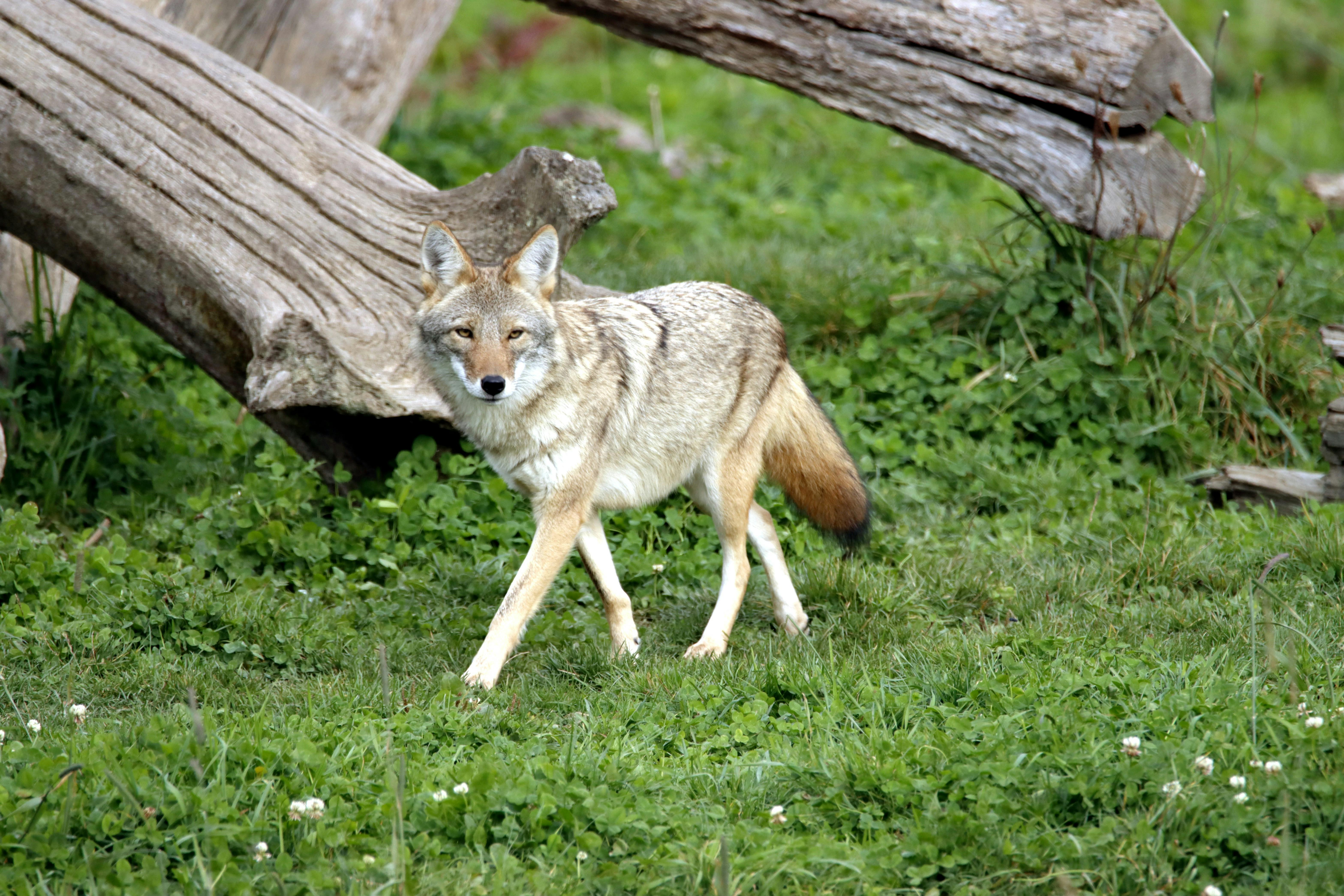
Coyote
Coyotes are adaptable and often seen trotting through meadows or along forest edges. Smaller than wolves, they rely on keen senses and quick reflexes to hunt rodents and birds. Their yips and howls are a familiar sound in the park’s open areas.
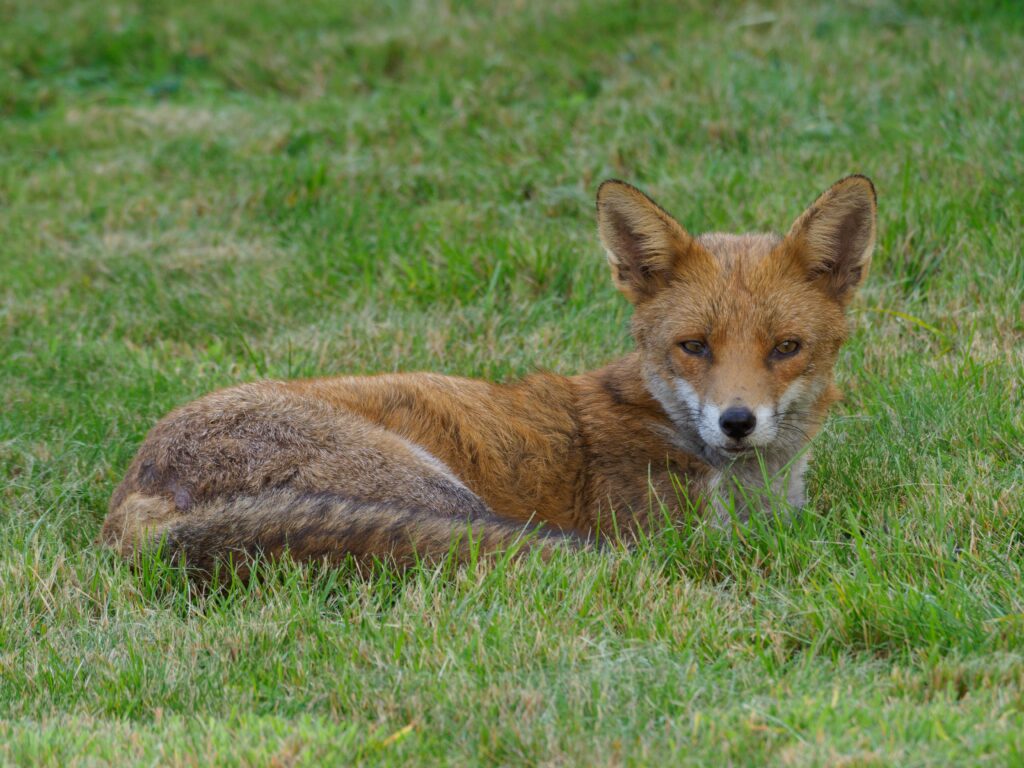
Foxes
Red foxes are clever, adaptable hunters found in meadows, forest edges, and open clearings throughout Wells Gray. Their sharp senses and light, graceful movements make them a delight to spot, especially at dawn or dusk. With coats ranging from bright red to silver or black, foxes are curious, quick, and often seen trotting with their signature fluffy tail held high.
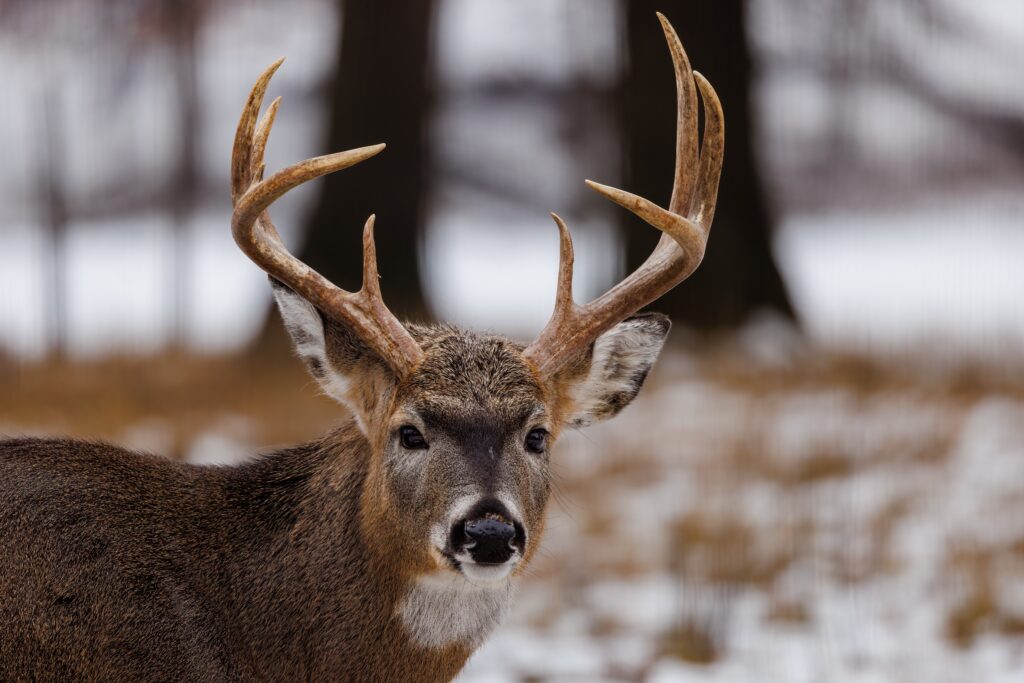
White‑tailed Deer
White‑tailed deer are graceful and alert, easily recognized by the white underside of their tail, which flashes when they run. They prefer open forests and meadows and are most active at dawn and dusk. Their agility makes them surprisingly hard to spot despite their numbers.
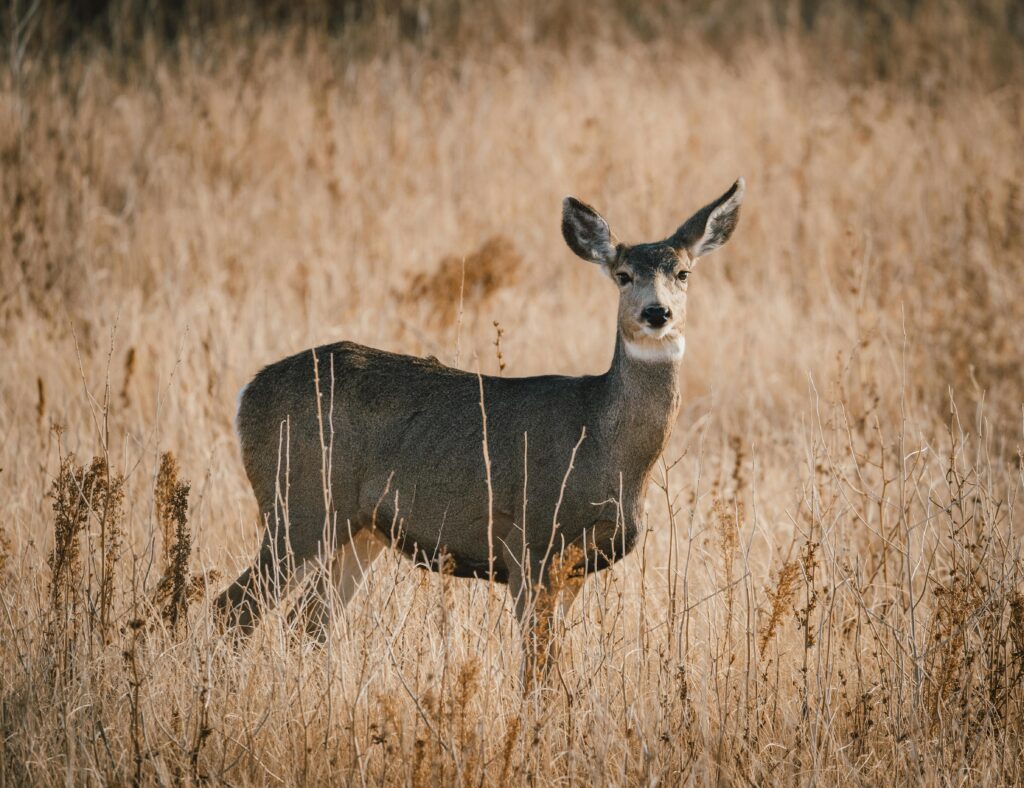
Mule Deer
Mule deer are common throughout Wells Gray, named for their large, mule‑like ears. They thrive in forest edges and clearings, browsing on shrubs and grasses. Their bounding gait — called “stotting” — helps them navigate uneven terrain with ease.
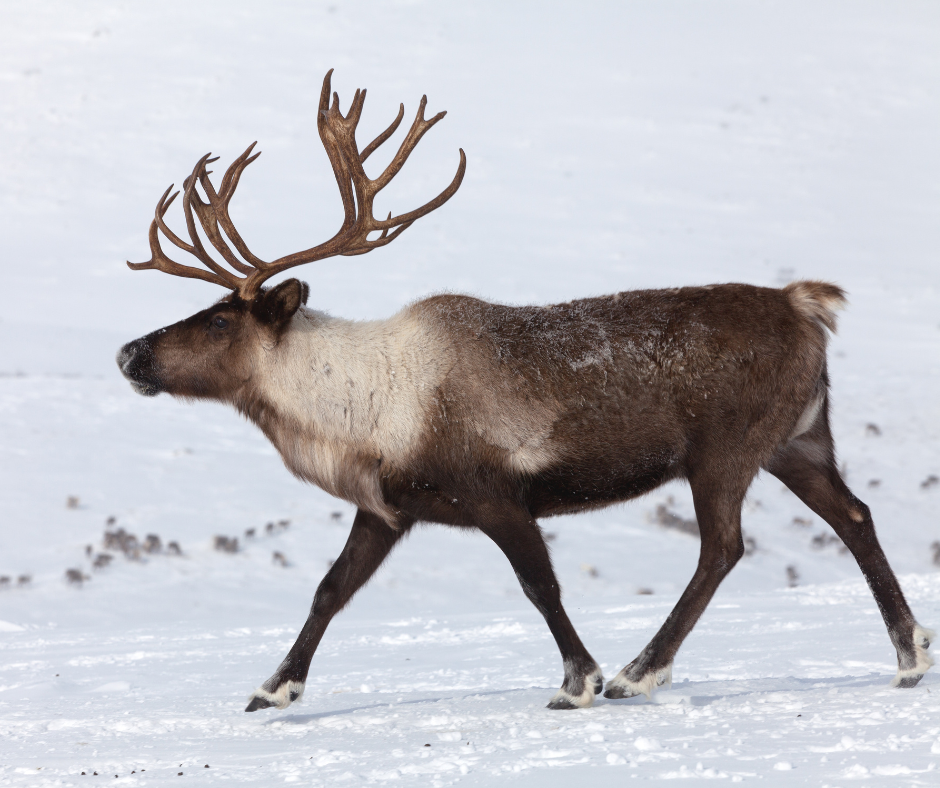
Deep Snow Caribou
Deep Snow Caribou once roamed widely across the Wells Gray region, but today they are critically endangered. These caribou rely on old‑growth forests and deep‑snow winter habitat, feeding on tree‑hanging lichens that few other animals can reach. Their numbers have dropped sharply in recent decades, and they are now facing extinction. Their decline highlights the urgent need to protect intact wilderness and the specialized habitats they depend on.
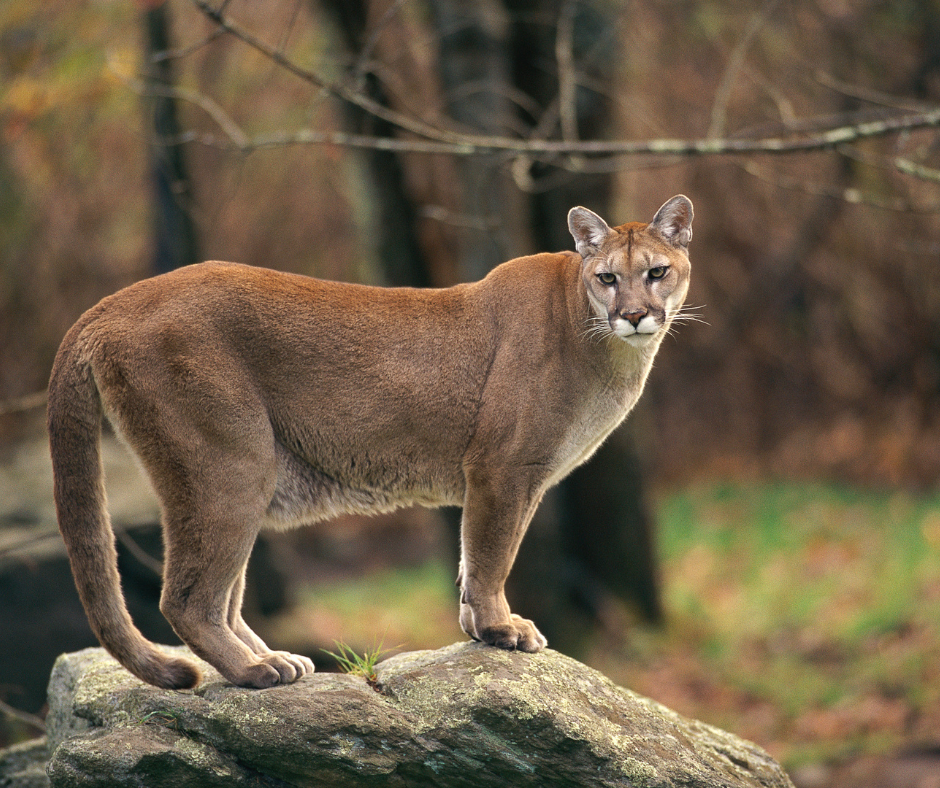
Cougar
Cougars are a secretive predator in the park. Rarely seen, they move silently through forests and rocky terrain, hunting deer and smaller mammals. Their powerful build and incredible agility allow them to leap long distances and climb steep slopes with ease.
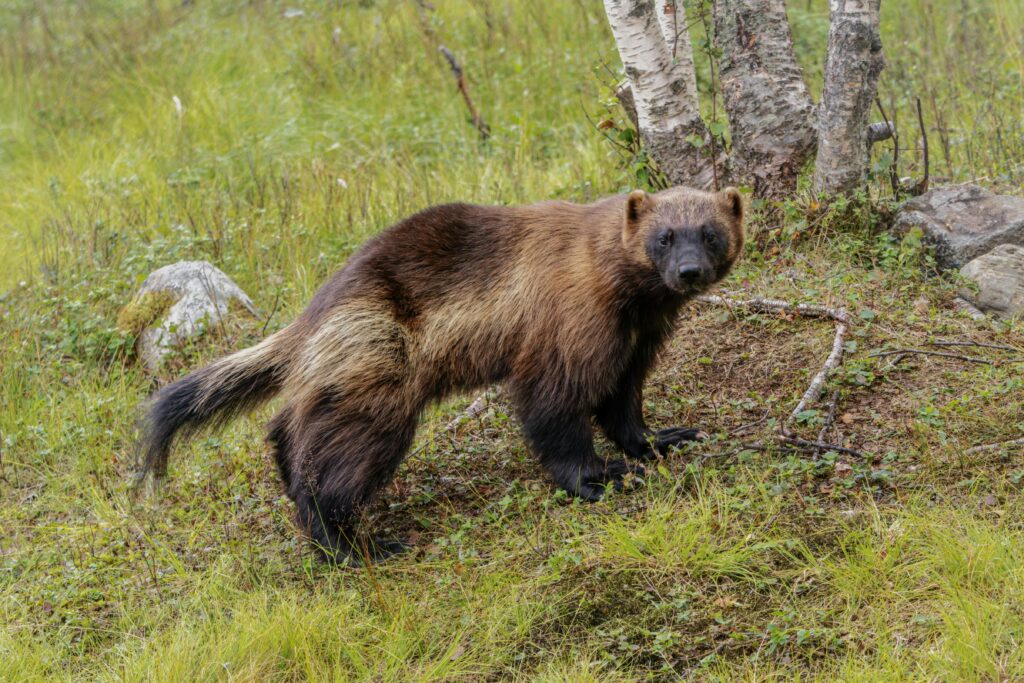
Wolverine
Wolverines are tough, wide‑ranging animals built for strength and endurance. Though small, they’re incredibly powerful predators and have even been known to challenge prey as large as moose. Living in remote, rugged terrain, they’re rarely seen — making every sighting in Wells Gray a remarkable event.
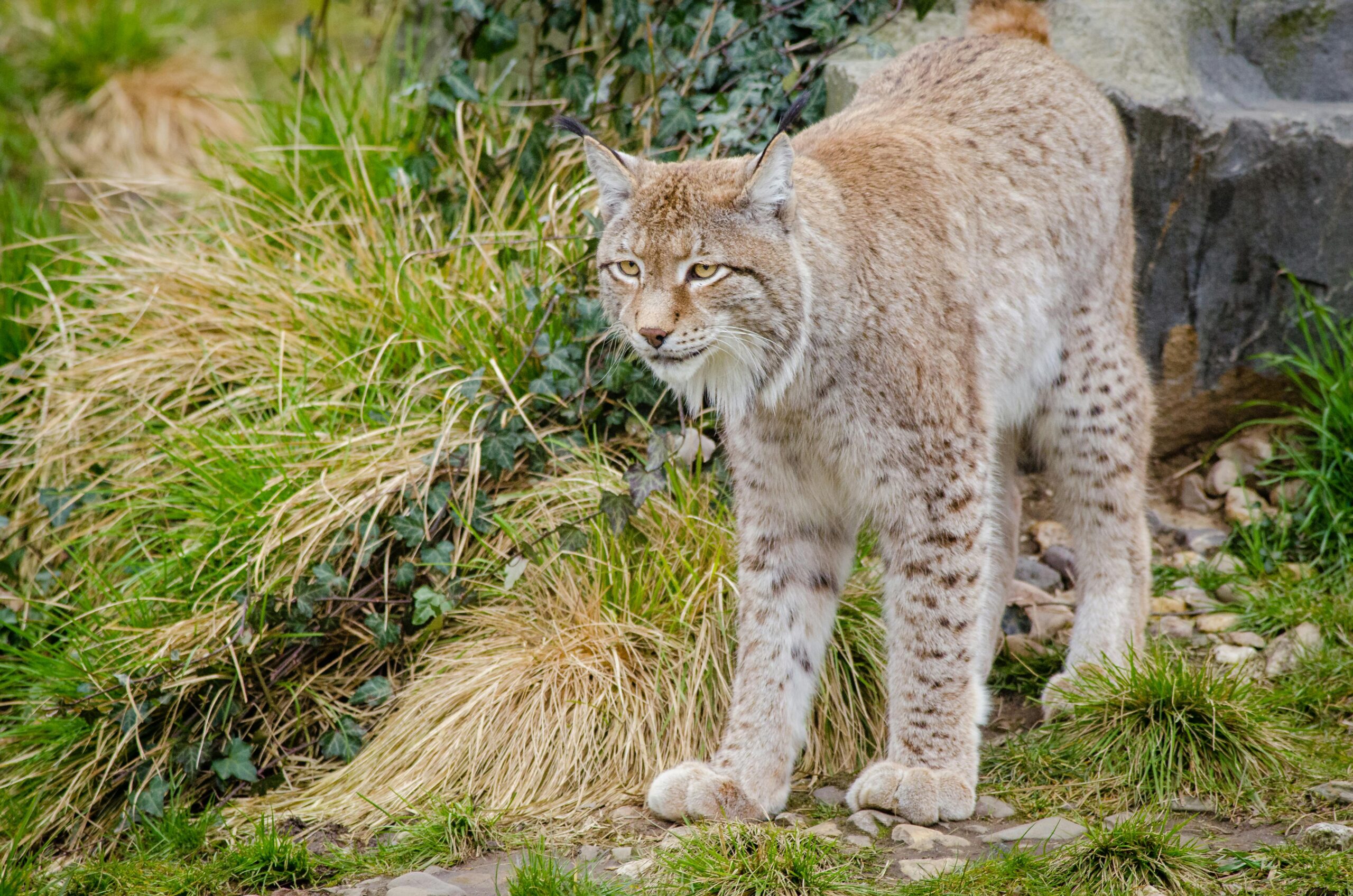
Lynx
Lynx are elusive, solitary cats that roam the deep forests of Wells Gray. With their tufted ears, oversized paws, and thick fur, they’re perfectly adapted to snowy terrain. Lynx primarily hunt snowshoe hares and move with incredible silence, making sightings rare but unforgettable. Their presence is a sign of healthy, undisturbed wilderness.
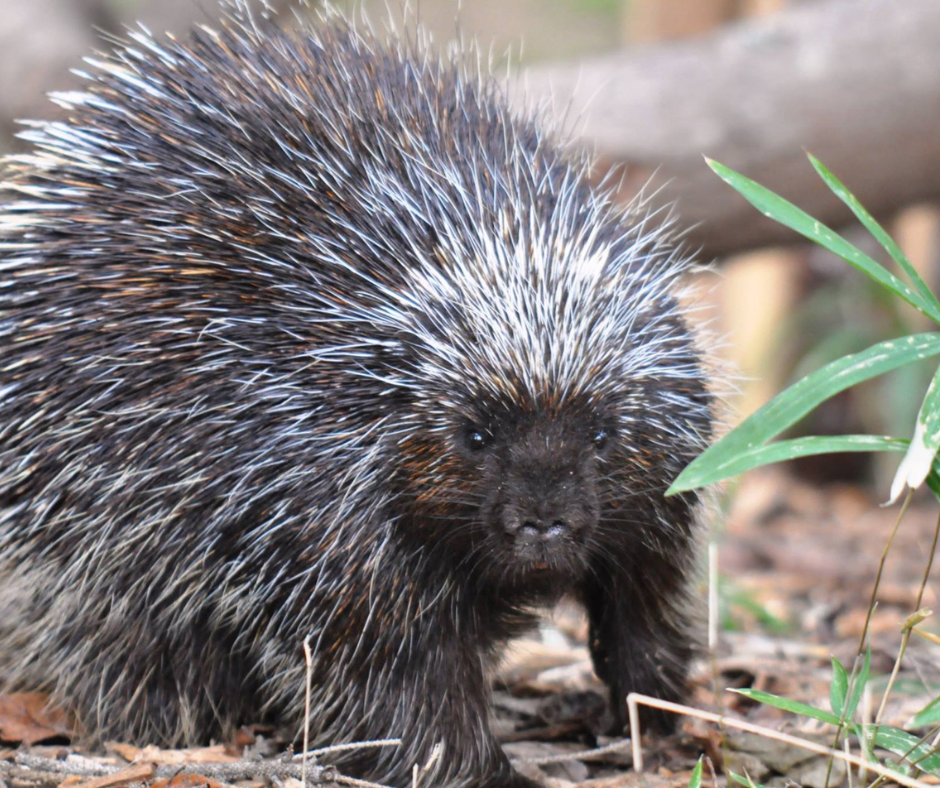
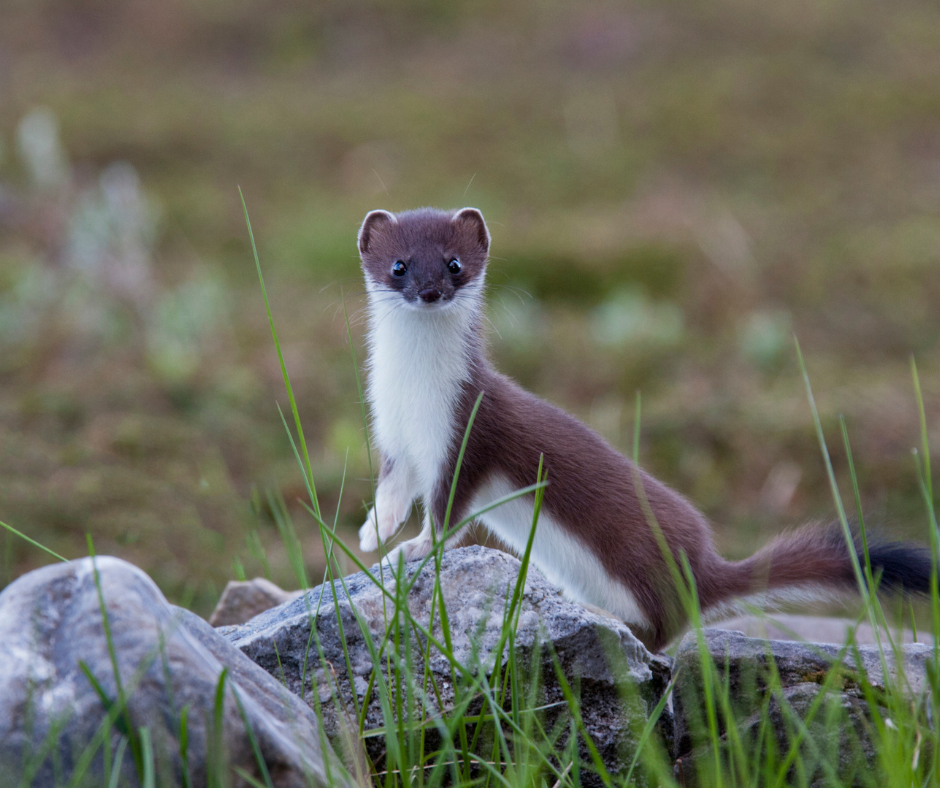
Fun Facts
Discover some surprising and delightful facts about the mammals that call Wells Gray home — from tiny tricksters to powerful predators.
Protecting the Wildlife
Wells Gray is home to an incredible range of wild animals, and every visitor plays a role in keeping them safe. Please never approach, feed, or follow wildlife. Wild animals in Wells Gray need to stay wild to survive. When bears or other wildlife become accustomed to people or human food, they can lose their natural fear and begin approaching roads, campsites, or visitors. Unfortunately, this often leads to the animal being killed for safety reasons. Please help protect them by keeping your distance, storing food securely, and never feeding or approaching wildlife. Small choices from visitors make a life‑or‑death difference for the animals that call this park home.
/
Birds of Wells Gray
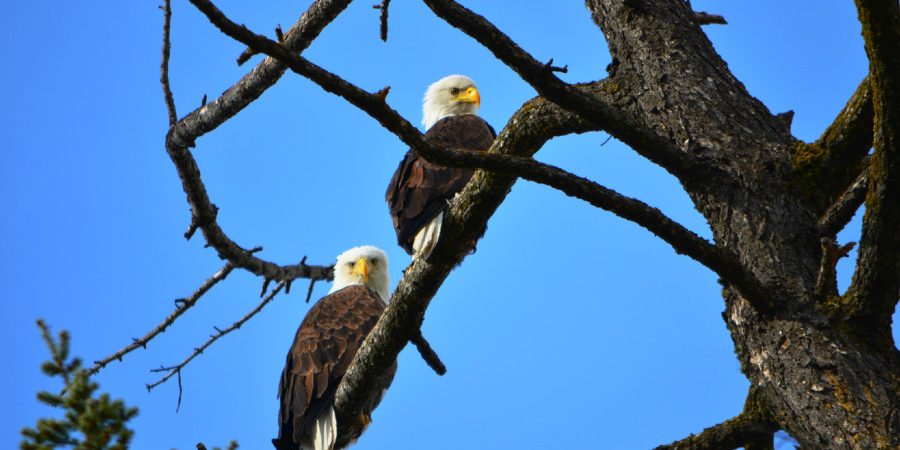
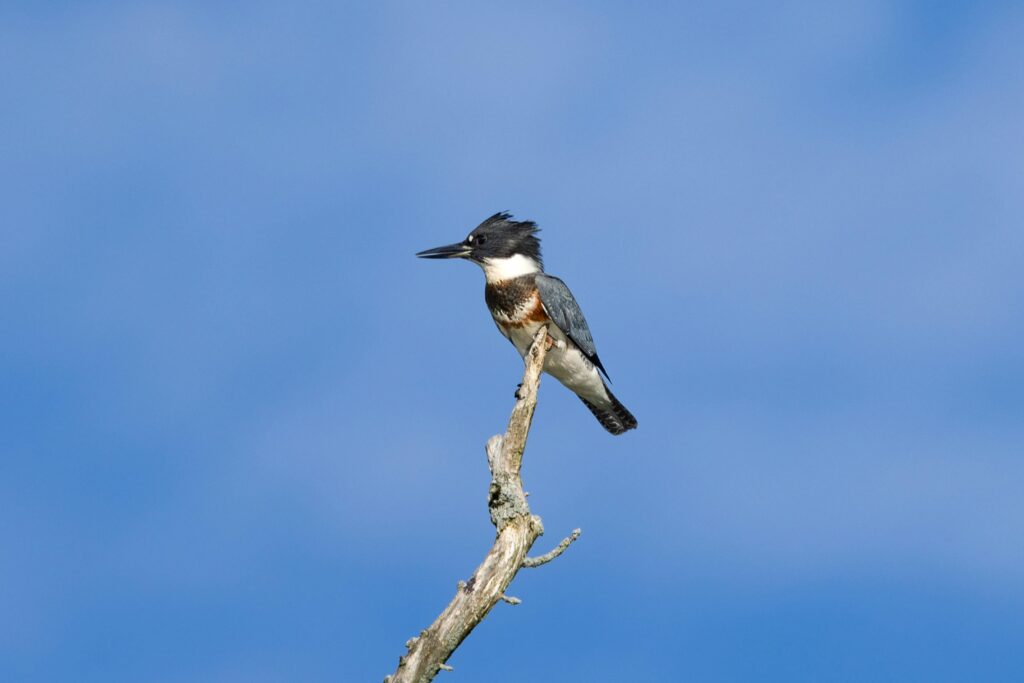
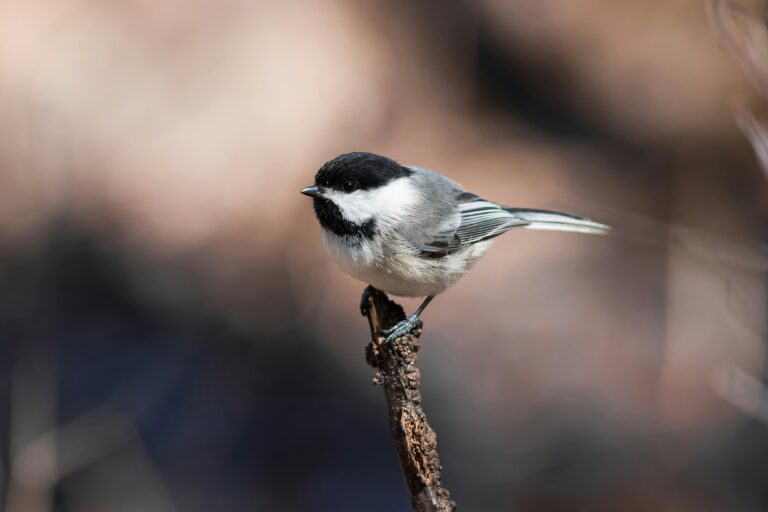
Wells Gray is a haven for birdlife, from tiny songbirds flitting through the forest canopy to powerful raptors soaring over volcanic cliffs. More than 250 species have been recorded here, making the park an incredible place for both casual observers and dedicated birders. Whether you’re listening for the flute‑like call of a thrush or scanning a lakeshore for loons, the park offers endless opportunities to spot something wild and beautiful.
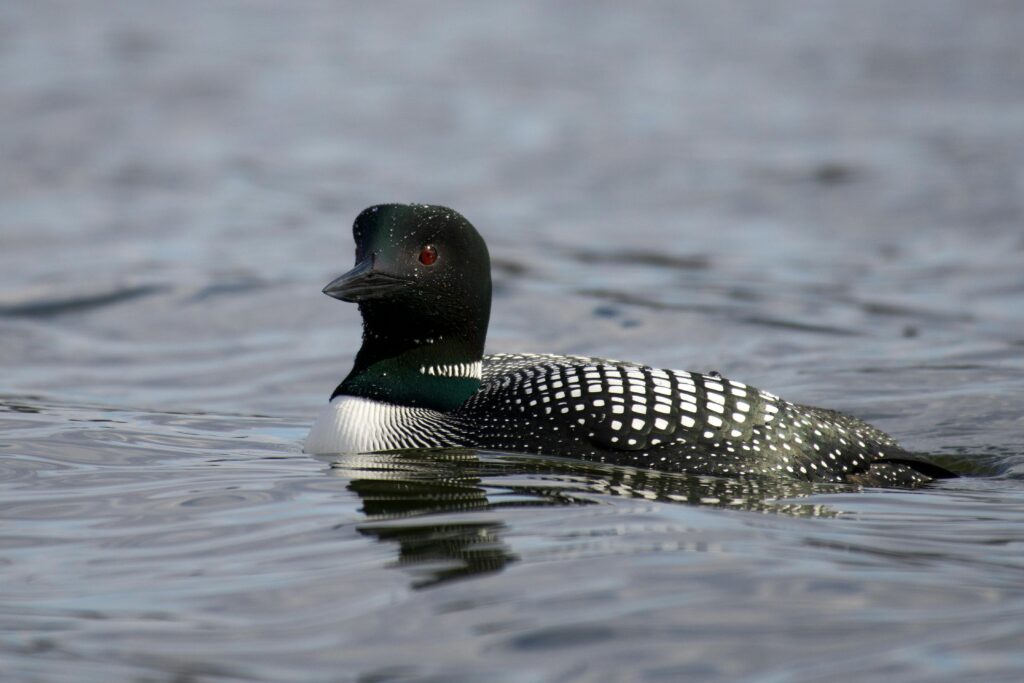
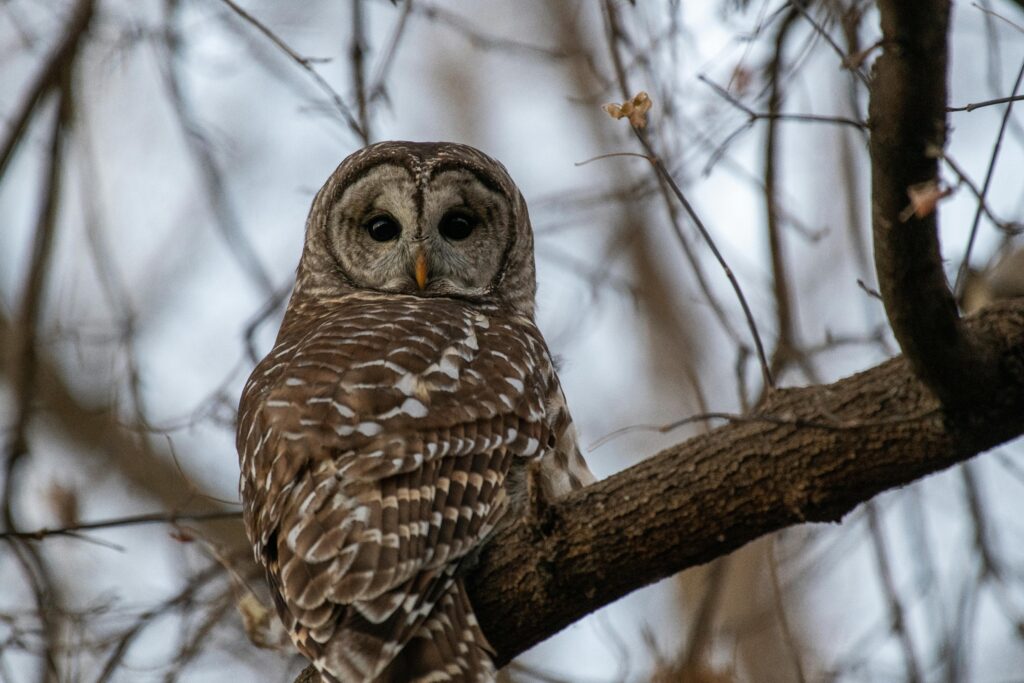
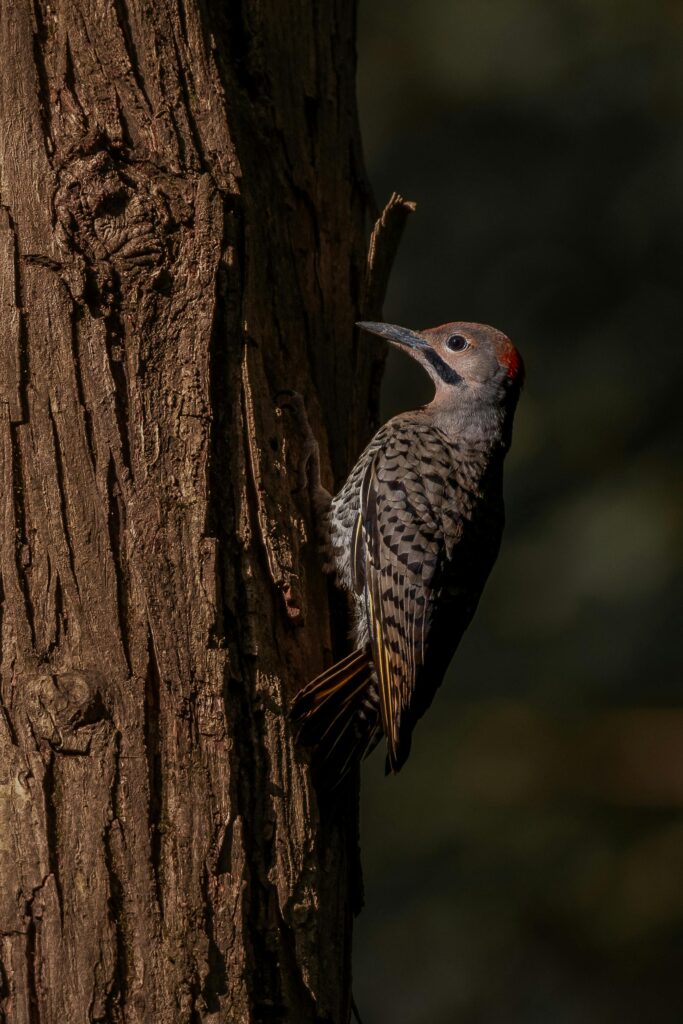
Bird Watching Checklist
See the checklist below to help plan your birdwatching adventure.